The rapid growth of online gaming has made digital platforms more accessible than ever before. Whether users participate for entertainment or competitive excitement, choosing a trustworthy platform is one of the most important decisions they can make. Before creating an account or sharing personal information, it is essential to understand how a platform protects user data, secures financial transactions, and promotes responsible gaming practices.
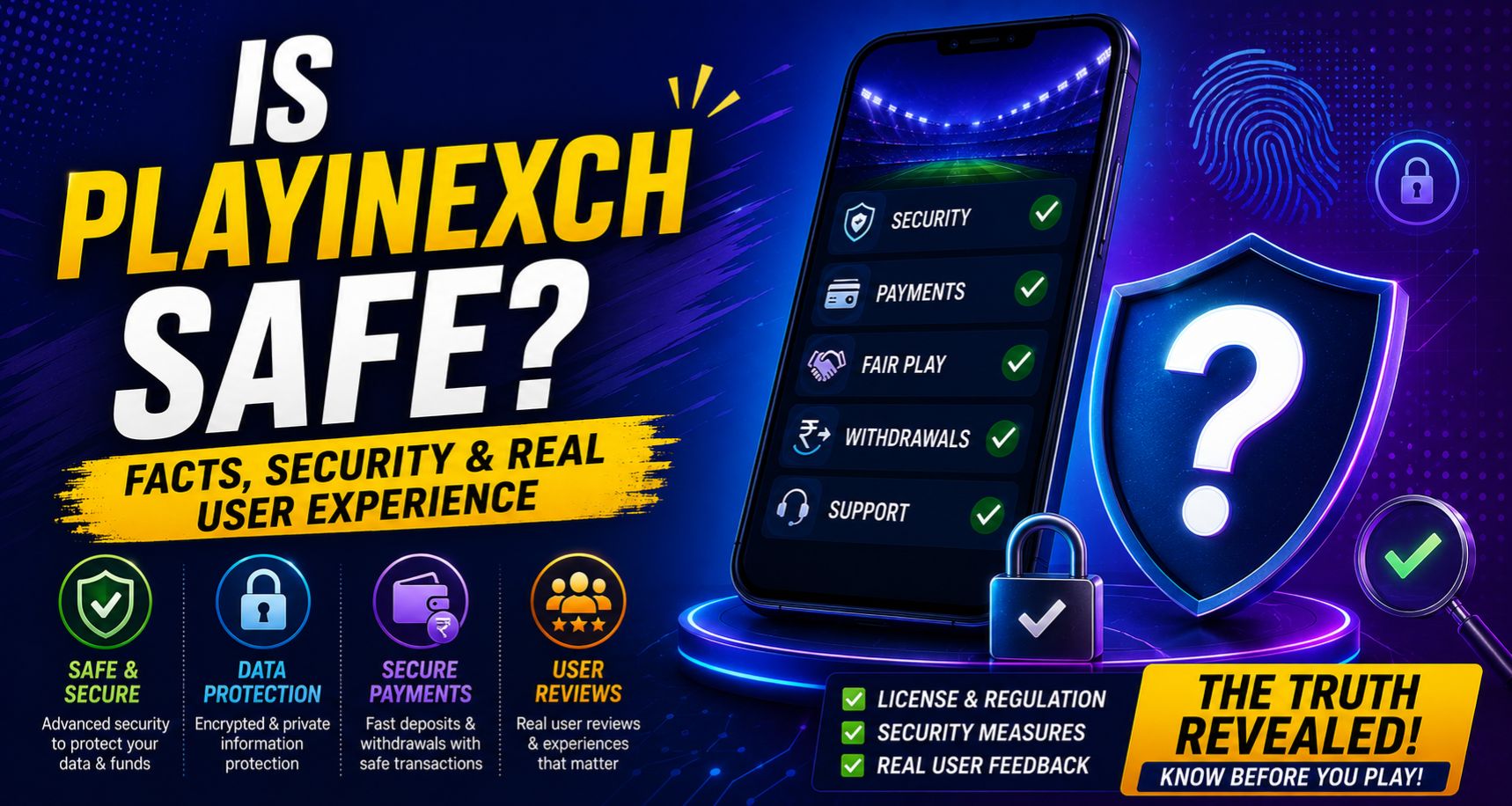
Many users search online asking whether Playinexch is safe before registering. This is a reasonable question because every online platform should be evaluated carefully rather than trusted solely based on popularity or advertising. Instead of relying on promotional claims, users should assess various security features, privacy protections, verification processes, and payment safeguards before making any decisions.
This guide explains the key factors that users should consider when evaluating any modern online gaming platform. Understanding these elements helps users make informed choices while reducing potential security risks.
Why Online Platform Security Matters
Online gaming platforms handle sensitive information, including:
- Personal details
- Contact information
- Login credentials
- Payment information
- Transaction history
- Account preferences
Without proper security measures, this information could become vulnerable to unauthorized access or cyber threats.
A secure platform focuses on protecting users through multiple layers of security rather than relying on a single protective measure.
Some of the most important security components include:
- Website encryption
- Secure authentication
- Identity verification
- Payment protection
- Data privacy
- Responsible gaming policies
- Fraud prevention systems
- Continuous monitoring
Evaluating these features helps users determine whether a platform follows modern security standards.
Website Security: The First Thing Every User Should Check
Website security begins the moment a visitor opens a platform.
Secure websites typically implement technologies that help protect information transmitted between the user’s browser and the website’s servers. These technologies help reduce the risk of intercepted communications and unauthorized access.
Before creating an account, users should verify basic website security indicators such as:
- HTTPS connection
- Valid SSL certificate
- Secure browser connection
- No browser security warnings
- Updated website infrastructure
If a browser displays security warnings or certificate errors, users should avoid entering sensitive information until the issue is resolved.
Good website security also includes:
- Server monitoring
- Firewall protection
- Malware prevention
- Regular software updates
- Protection against common cyber threats
These measures contribute to a safer browsing experience.
Understanding SSL Encryption
SSL (Secure Sockets Layer), or its modern successor TLS, is one of the most important technologies used by secure websites.
Encryption protects information while it travels between the user’s device and the website.
Without encryption, sensitive information may be exposed during transmission.
SSL encryption helps secure:
- Login credentials
- Passwords
- Payment information
- Personal details
- Verification documents
- Communication between servers and browsers
Users can usually identify SSL encryption by checking:
- The padlock icon in the browser
- HTTPS in the website address
- Valid security certificate
Encryption alone does not guarantee complete safety, but it is considered a fundamental requirement for any platform handling sensitive user information.
User Privacy Should Always Be a Priority
Privacy has become increasingly important in today’s digital environment.
Users should understand:
- What information is collected
- Why it is collected
- How long it is stored
- Whether it is shared with third parties
- How it is protected
A transparent privacy policy helps users understand how their information is managed.
Good privacy practices typically include:
- Limited data collection
- Secure storage
- Controlled access
- Data encryption
- Compliance with applicable privacy regulations
- Clear user consent processes
Users should also avoid sharing unnecessary personal information outside official communication channels.
Secure Login Systems Help Protect Accounts
Account security begins with authentication.
A secure login system reduces the chances of unauthorized access by implementing multiple protective measures.
Some common login security features include:
- Encrypted passwords
- Secure authentication
- Session management
- Automatic logout after inactivity
- Device monitoring
- Login attempt limits
When evaluating a platform, users should also practice good password habits.
Tips for Creating Strong Passwords
- Use at least 12 characters
- Include uppercase letters
- Include lowercase letters
- Add numbers
- Include special characters
- Avoid common words
- Do not reuse passwords
Strong passwords remain one of the simplest yet most effective security practices.
Two-Factor Authentication Adds Another Layer of Protection
Whenever available, users should enable two-factor authentication (2FA).
Instead of relying only on a password, 2FA requires a second verification step.
Examples include:
- SMS verification
- Authentication apps
- Email verification
- Security codes
Even if a password becomes compromised, two-factor authentication significantly reduces the likelihood of unauthorized access.
Identity Verification Helps Reduce Fraud
Many online platforms implement identity verification procedures to improve security.
Verification helps confirm that accounts belong to genuine users while reducing fraudulent activities.
Common verification documents may include:
- Government-issued ID
- Address proof
- Mobile verification
- Email verification
Identity verification serves several purposes:
- Prevents fake accounts
- Reduces financial fraud
- Supports regulatory compliance
- Improves account recovery
- Protects legitimate users
Users should only upload verification documents through official secure channels.
Account Protection Best Practices
Platform security is only one part of account safety.
Users also play an important role in protecting their accounts.
Some recommended practices include:
Never Share Login Credentials
Keep usernames and passwords confidential.
Avoid sharing account access with:
- Friends
- Family
- Third-party agents
- Unknown individuals
Avoid Public Wi-Fi
Public networks may expose users to additional security risks.
Whenever possible:
- Use private internet connections.
- Use trusted mobile networks.
- Consider a VPN when accessing sensitive accounts.
Monitor Login Activity
Regularly review:
- Recent login history
- Device access
- Account notifications
- Password changes
Unexpected activity should be investigated immediately.
Keep Devices Updated
Security updates often fix newly discovered vulnerabilities.
Users should regularly update:
- Browsers
- Operating systems
- Mobile apps
- Antivirus software
Beware of Phishing Attempts
Cybercriminals often imitate legitimate websites.
Users should avoid:
- Clicking suspicious links
- Opening unknown attachments
- Sharing passwords through email
- Responding to unofficial messages
Always verify that communications originate from official sources.
Safe Payment Methods
Financial security is one of the biggest concerns for online users.
A reliable platform should support secure payment processing while protecting financial information.
Before making any transactions, users should evaluate:
- Encryption during payments
- Secure payment gateways
- Transaction monitoring
- Fraud detection systems
- Withdrawal verification
- Transparent payment policies
Users should also maintain personal financial security by:
- Reviewing transaction history
- Keeping payment details private
- Avoiding third-party payment requests
- Using trusted banking channels
Transaction Transparency Builds Trust
Transparent financial operations help users understand how transactions are processed.
Users should review:
- Deposit procedures
- Withdrawal policies
- Processing timelines
- Verification requirements
- Applicable limits
Clear documentation helps reduce misunderstandings and improves the overall user experience.
Responsible Gaming Is an Essential Safety Feature
Safety is not limited to cybersecurity.
Responsible gaming is another important aspect of a secure platform.
Responsible gaming policies encourage users to maintain healthy gaming habits and make informed decisions.
Good responsible gaming initiatives often include:
- Deposit limits
- Session reminders
- Self-exclusion options
- Cooling-off periods
- Account restrictions
- Educational resources
These features help users maintain control over their gaming activities.
Recognizing Healthy Gaming Habits
Users should treat online gaming as entertainment rather than a guaranteed source of income.
Healthy habits include:
- Setting budgets
- Limiting session time
- Taking regular breaks
- Avoiding emotional decisions
- Never chasing losses
- Playing within personal limits
Maintaining balance contributes to a more enjoyable experience.
Customer Support Plays a Security Role
Responsive customer support can help resolve security concerns quickly.
Support teams may assist with:
- Password recovery
- Suspicious login reports
- Verification issues
- Payment concerns
- Account access problems
- General security questions
Before registering, users may wish to confirm that reliable customer support channels are available.
Device Security Matters Too
Even the most secure website cannot protect users whose devices have been compromised.
Basic device security includes:
- Antivirus software
- Firewall protection
- Updated operating systems
- Trusted applications
- Secure browsers
Avoid downloading unknown software that could compromise account security.
Browser Safety Tips
Modern browsers include many security features.
Users should:
- Enable automatic updates
- Clear saved passwords on shared devices
- Avoid unknown browser extensions
- Check website certificates
- Close sessions after use
These small habits significantly improve overall security.
Recognizing Secure Websites
Users can evaluate websites by checking several indicators.
Look for:
- HTTPS connection
- Valid SSL certificate
- Professional design
- Transparent policies
- Contact information
- Privacy documentation
- Responsible gaming information
- Clear terms and conditions
A combination of these factors provides greater confidence than relying on a single indicator.
Common Security Mistakes Users Should Avoid
Many security incidents occur because of avoidable mistakes.
Examples include:
- Using weak passwords
- Sharing verification codes
- Reusing passwords across multiple websites
- Ignoring browser warnings
- Saving passwords on public computers
- Clicking suspicious advertisements
- Logging in through unofficial links
Avoiding these habits greatly improves account security.
Evaluating Platform Trustworthiness
Rather than asking whether any platform is completely safe, users should evaluate multiple factors together.
Consider:
- Website security
- SSL encryption
- Privacy practices
- Identity verification
- Secure authentication
- Responsible gaming policies
- Payment protection
- Customer support
- Transparent policies
- Account recovery procedures
No online platform can eliminate every possible risk, but strong security practices help reduce those risks significantly.
Tips Before Creating an Account
Before completing the registration process, users should take a few precautionary steps.
Verify the Website
Ensure you are visiting the official website and not an imitation.
Read the Privacy Policy
Understand how your personal information is collected and used.
Review Terms and Conditions
Know the platform’s rules before using any services.
Enable Available Security Features
If multi-factor authentication or additional security options are offered, consider enabling them.
Use Strong Passwords
Create unique passwords that are not used elsewhere.
Protect Your Email Account
Since password recovery often depends on email, securing your email account is equally important.
Understanding Registration Security
During the Playinexch Sign-up process, users should carefully review the information requested before submitting personal details. It is advisable to register only through the official website, use accurate information, create a strong password, and verify account details through official communication channels. Taking these steps helps reduce security risks during account creation.
Logging in Safely
Whenever using the Playinexch Login page, users should confirm that they are accessing the correct website with a secure HTTPS connection. Avoid logging in through unknown links received via email, messaging apps, or social media. Logging out after each session on shared devices and monitoring account activity regularly are additional practices that help improve account security.
Final Thoughts
Online security is a shared responsibility between users and platform providers. Rather than assuming any platform is completely risk-free, users should evaluate important factors such as website security, SSL encryption, user privacy, identity verification, secure login systems, account protection measures, responsible gaming features, and payment safety before registering.
For anyone considering Play In Exchange services, taking the time to review these security aspects can help support informed decision-making. Safe online experiences begin with awareness, careful evaluation, and responsible digital habits. By following good cybersecurity practices and understanding the protections available, users can reduce potential risks while enjoying a more secure online gaming experience.