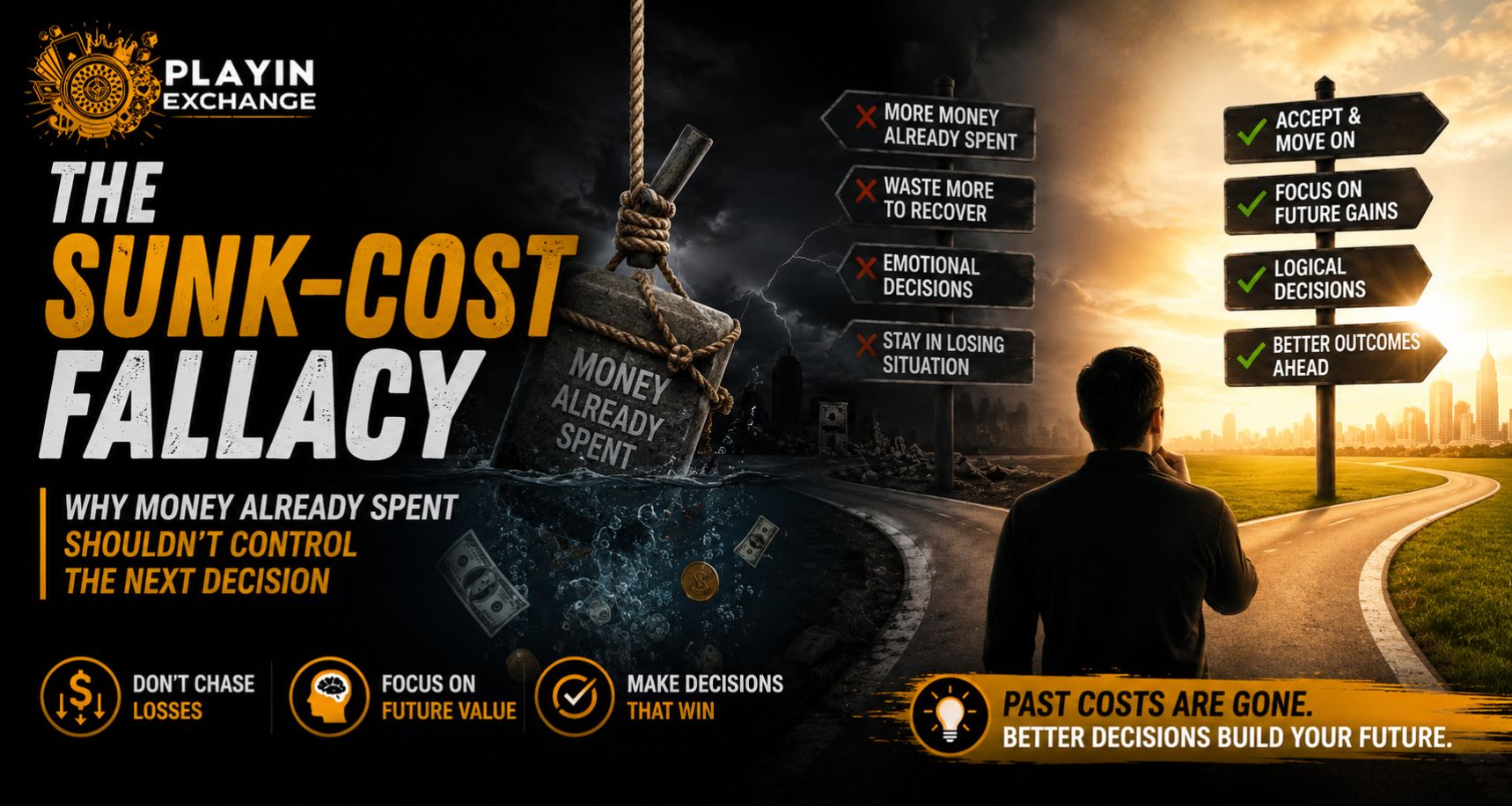
Making decisions based on past spending is a common human behaviour that can influence choices in many areas of life. The idea that previous investments should determine future actions is known as the sunk-cost fallacy. In the middle of discussions about smarter decision-making, Playinexch explains how understanding this concept can help people evaluate situations more clearly instead of allowing past losses or expenses to control future choices.
A sunk cost is money, time, or effort that has already been spent and cannot be recovered. The mistake happens when people continue with a decision only because they have already invested something into it, even when changing direction would be the better option.
What Is the Sunk-Cost Fallacy?
The sunk-cost fallacy occurs when people consider previous investments while making future decisions. Instead of focusing on current options and possible outcomes, they allow past spending to influence their next move.
For example:
- Continuing a project because money has already been invested
- Staying with a strategy that is not working because of previous effort
- Spending more time on something simply because of earlier commitment
The key idea is that past costs should not determine future decisions because they cannot be changed.
Why Do People Fall Into This Thinking Pattern?
The sunk-cost fallacy is connected to human emotions and psychology. People naturally want to feel that their previous choices were valuable and meaningful.
Several factors contribute to this behaviour:
Emotional Attachment
When people invest time, money, or effort, they often develop an emotional connection to the decision. Changing direction can feel like admitting that the earlier choice was wrong.
Fear of Waste
Many people dislike the feeling that something has been wasted. This can lead them to continue investing even when the situation no longer provides value.
Desire to Recover Losses
People may believe that continuing will eventually help them recover what they have already spent. However, this approach can sometimes create even greater losses.
How Sunk Costs Affect Decision-Making
Sunk costs can influence decisions in personal, professional, and financial situations. Recognising this pattern helps people make choices based on current information rather than previous commitments.
Common examples include:
- Continuing an unsuccessful business idea
- Holding onto unused subscriptions
- Spending more time on an ineffective approach
- Following a poor strategy because of earlier investment
The better approach is to evaluate what choice provides the best possible outcome from the current point forward.
The Difference Between Past Investment and Future Value
A useful way to avoid the sunk-cost fallacy is to separate what has already happened from what can still be achieved.
Past investment:
- Cannot be recovered
- Is no longer part of future options
- Should not influence current judgment
Future value:
- Depends on available choices
- Can be improved through better decisions
- Should guide the next action
Smart decision-making focuses on future possibilities rather than previous expenses.
How to Avoid the Sunk-Cost Fallacy
Avoiding this mistake requires awareness and a willingness to evaluate situations objectively.
Helpful methods include:
1. Focus on Future Outcomes
Ask yourself whether continuing the current path provides value from today onward. Ignore what has already been spent and consider future benefits.
2. Review Decisions Regularly
Regular evaluation helps identify whether a plan is still effective or whether changes are needed.
3. Separate Emotions From Facts
Feelings about previous investments can affect judgment. Looking at facts and available information can lead to better decisions.
4. Accept That Changing Direction Is Sometimes Positive
Stopping something that is no longer useful does not mean failure. It can represent a smart adjustment based on new information.
Sunk Costs in Digital Decision-Making
The sunk-cost fallacy can also appear in online activities where users spend time, money, or effort. People may continue certain actions because they feel committed due to previous investments.
For users exploring digital platforms, understanding decision patterns can help create more balanced choices. Checking information through Playinexch Login and reviewing available options carefully can support a more thoughtful approach.
The Importance of Responsible Decision-Making
Good decisions are based on current circumstances, future goals, and available information. Past spending should be recognised but not allowed to control future actions.
A balanced approach includes:
- Setting clear goals
- Reviewing outcomes
- Understanding risks
- Making changes when necessary
- Avoiding emotional decisions
This mindset helps people respond better to changing situations.
How Technology Can Support Better Choices
Modern platforms provide users with tools and information that can help them make informed decisions. Tracking activity, reviewing previous actions, and understanding patterns can improve awareness.
Features available through services connected with Play Exchange can help users organise their experiences while focusing on better decision-making habits.
Building a Growth-Oriented Mindset
People who understand the sunk-cost fallacy are more likely to adapt when circumstances change. Instead of protecting past decisions, they focus on creating better future outcomes.
A growth-oriented mindset encourages:
- Learning from previous experiences
- Accepting mistakes
- Improving future strategies
- Making decisions based on evidence
Conclusion
The sunk-cost fallacy shows how past investments can influence future choices in ways that may not always be helpful. Money, time, or effort already spent cannot be recovered, so they should not become the main reason behind continuing a decision.
By focusing on future value, reviewing situations objectively, and accepting change when needed, people can make smarter choices. Whether managing personal decisions or using digital platforms through a Playinexch ID, understanding this concept Helps create a more balanced approach.
FAQs
What is the sunk-cost fallacy?
The sunk-cost fallacy is the tendency to continue a decision because of previous investments, even when changing direction may be better.
Why do people struggle to ignore sunk costs?
People often feel emotionally connected to their investments and do not want to believe their earlier choices were unsuccessful.
Can sunk costs affect everyday decisions?
Yes, sunk costs can influence choices related to money, work, relationships, projects, and digital activities.
How can someone avoid the sunk-cost fallacy?
People can avoid it by focusing on future outcomes, reviewing facts, and separating emotions from decision-making.
Are past investments completely irrelevant?
Past investments can provide lessons, but they should not control decisions about future actions.
What is a Playinexch Online ID used for?
A Playinexch Online ID provides access to platform features and helps users manage their account-related activities.